Introduction
Water damage is a tricky adversary that can damage your home, bring about pricey fixings and distress. From minor leaks to disastrous floods, the repercussions of water intrusion can be serious. As home owners, understanding just how to stop water damage is important not only for protecting your property yet likewise for protecting your family members's health. When water infiltrates your home, it frequently leads to mold and mildew growth, which can pose serious health and wellness dangers and demand mold and mildew removal initiatives. This article will certainly supply you with crucial techniques for stopping water damages and guaranteeing your home remains a risk-free haven.

What is Water Damage?
Water damage describes the devastation of residential property caused by water intrusion. It can take place with various sources such as burst pipes, overflowing sinks, hefty rains, or even damaged devices. The influence of water damage can be immediate or gradual, leading to issues like structural weakening and mold growth.
Understanding the Sorts of Water Damage
Clean Water Damage: This kind stems from a tidy resource like a broken pipe or rainwater. Grey Water Damage: This entails somewhat infected water from sources like washing equipments or dishwashers. Black Water Damage: The most harmful kind of water damage originates from sewer or floodwaters and contains hazardous pathogens.Water Damages Prevention: Secret Strategies for Homeowners Against Future Disasters
Taking proactive steps is crucial in safeguarding your home versus potential water-related disasters. Below are some effective approaches:
Regular Maintenance Checks
Routine evaluations of your home can help determine prospective vulnerabilities prior to they end up being considerable problems.
Inspect Your Roof
- Check for missing out on tiles or particles accumulation. Look for any kind of indications of leakages in the attic.
Examine Rain gutters and Downspouts
- Ensure gutters are clear of leaves and debris. Downspouts should route water at the very least 5 feet far from the foundation.
Seal Entrance Points
Water can enter through splits and holes around home windows and doors.
Use Caulk and Weatherstripping
- Apply caulk around home window frames to prevent leaks. Use weatherstripping on doors to obstruct drafts and moisture.
Foundation Sealing
Consider applying sealants to your foundation walls to keep dampness out.
Install a Sump Pump
If you remain in an area susceptible to flooding, mounting a sump pump can be invaluable.
How Does it Work?
A sump pump gathers excess groundwater and pumps it far from your home, lowering the threat of basement flooding.
Utilizing Proper Drainage Systems
Adequate drainage systems are vital in stopping standing water around your property.
Landscaping Solutions
Proper grading around your home will motivate appropriate drainage away from foundations.
French Drains Installation
Installing French drains pipes can help redirect groundwater away from at risk locations of your yard.
Monitor Indoor Humidity Levels
Controlling moisture inside your home minimizes the threat of mold growth after any potential water exposure.
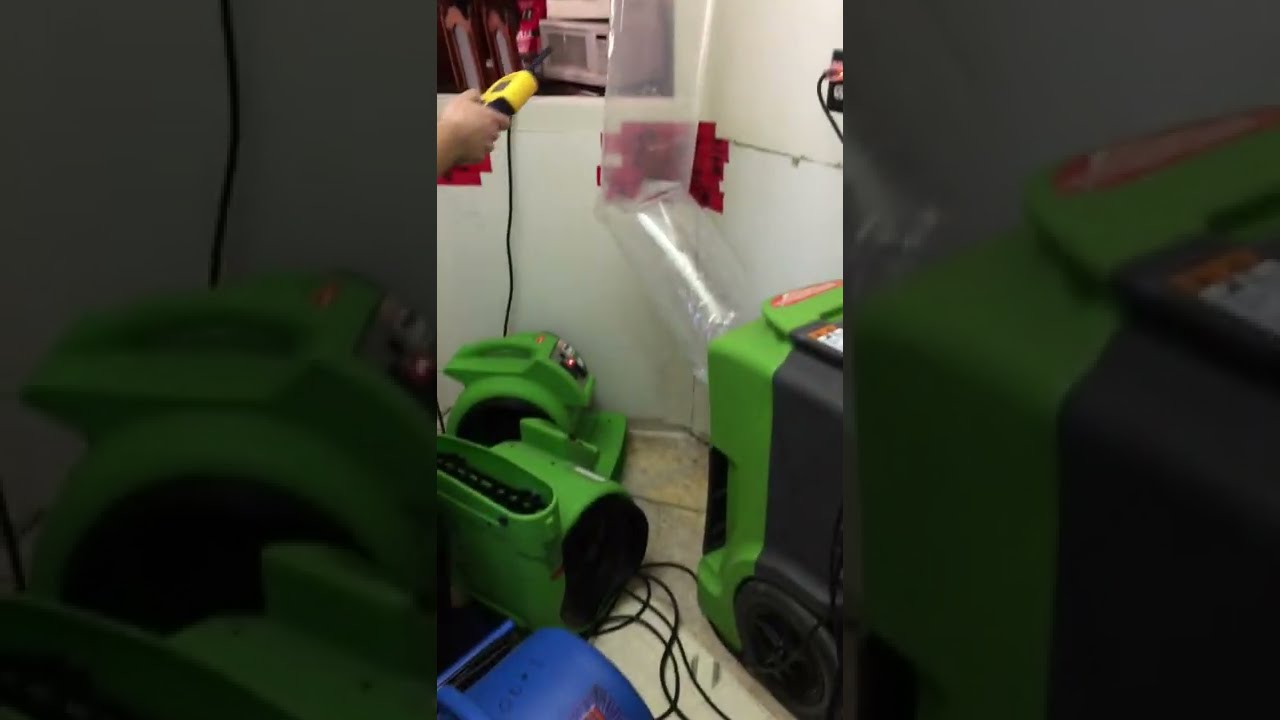
Use Dehumidifiers
In damp climates or areas vulnerable to dampness, making use of dehumidifiers can substantially minimize wetness degrees indoors.
Understand Your Plumbing System
Familiarize yourself with the plumbing layout in your home so you understand where potential problems could arise.
Regular Pipeline Inspections
Look for indications of deterioration or leaks in noticeable pipes. Think about having expert evaluations periodically.
Know Your Shut-Off Valves
In case of an emergency situation, recognizing where primary shut-off valves are located allows you to act quickly if a pipe ruptureds or if there's significant leakage in other places in the system.
Emergency Readiness Plans
Having an emergency plan can minimize damages brought on by unanticipated flooding events.
Create an Emergency situation Kit
Equip yourself with vital tools such as:
- Flashlights Batteries First-aid supplies Non-perishable food
Develop a Discharge Plan
Discuss discharge courses with relative so everyone understands what actions to take during an emergency situation including water damage.
FAQ Section
1. What creates most domestic water damage?
Most household water damages is triggered by pipes failings, including ruptured pipes or dripping taps, along with natural disasters like hefty rains or floods that cause overflow from rivers or lakes.
2. How do I understand if my residence has suffered from concealed water damage?
Signs include discoloration on ceilings or walls, stuffy odors mold removal San Francisco (a sign of mold and mildew), warped floor covering, and peeling paint or wallpaper. If you presume hidden damage, it's important to call specialists for inspection.
3. Can I manage mold removal myself?
While tiny patches can sometimes be taken care of by home owners using protective equipment hoarding cleanup San Francisco and cleansing remedies, substantial infestations commonly require expert intervention as a result of health dangers included with mold and mildew exposure.
4. Just how often need to I carry out upkeep checks?
It's recommended to execute upkeep checks a minimum of twice a year-- once prior to wintertime and once prior to summer season-- to guarantee that all systems are operating correctly without leaks or vulnerabilities.
5. What sorts of insurance coverage cover water damage?
Homeowners insurance normally covers unexpected cases such as burst pipes yet may not cover problems brought on by overlook (like long-lasting dripping). Constantly assess your plan meticulously relating to certain coverage connected to flooding occasions versus other kinds of water invasion issues.
6. Are there any type of technological remedies available for checking water leaks?
Yes! Smart leakage detectors are offered that send notifies straight to your phone if they find wetness degrees showing possible leaks within piping systems throughout your home.
Conclusion
Water damages prevention calls for persistance but settles in comfort knowing that you have actually taken positive steps versus potential disasters lurking within every decrease! By adhering to these detailed approaches-- ranging from regular upkeep checks and securing entry points effectively; making use of correct drain systems; keeping moisture levels low; understanding pipes layouts; preparing emergency situation plans-- you'll develop a fortress versus future dangers presented by Nature's uncertain moods!
Now that you're outfitted with understanding about "Water Damage Prevention: Trick Approaches for Homeowners Versus Future Catastrophes," it's time to place these pointers into activity! Bear in mind that taking preventive measures today saves significant expenditures tomorrow while making sure safety and security at home stays uncompromised in the middle of unforeseeable aspects past our control!